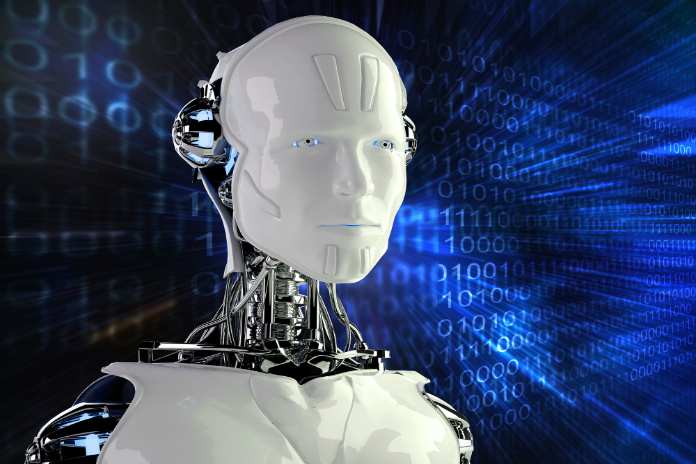
Tesla Inc. (NASDAQ:TSLA) has recently reached a significant milestone in the development of its robotics technology, a testament to the company’s commitment to innovation and advanced automation. The progress marks a notable step in Tesla’s journey to revolutionize the way robots integrate into manufacturing and everyday life.
Elon Musk, Tesla’s CEO, has long been vocal about his vision of creating a humanoid robot that can perform tasks deemed too dangerous, repetitive, or mundane for humans. This vision is becoming a reality as Tesla’s engineers have successfully developed a prototype that demonstrates advanced capabilities in movement and interaction.
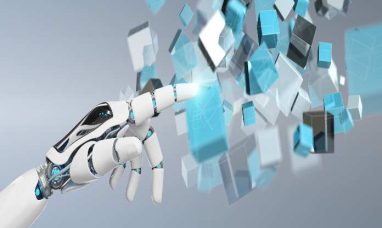
The prototype, named Optimus, showcases the integration of Tesla’s cutting-edge artificial intelligence and machine learning algorithms. It is designed to operate with a high level of autonomy, navigating complex environments with ease. The robot’s design draws heavily from Tesla’s experience in developing autonomous vehicles, utilizing similar sensor technology and processing power to understand and interact with its surroundings.
Furthermore, Tesla’s robotics team has focused on ensuring that Optimus can learn and adapt to new tasks through continuous updates and machine learning. This adaptability is crucial as it allows the robot to perform a wide range of duties, from household chores to assisting in industrial settings.
While the current prototype is still in its early stages, it has already demonstrated the potential to revolutionize industries reliant on manual labor. For instance, in manufacturing, robots like Optimus could increase efficiency and safety, reducing the need for human workers in hazardous environments. This transition could lead to a significant shift in job roles, with humans moving towards supervisory and maintenance positions.
Moreover, the implications of Tesla’s advancements in robotics extend beyond industrial applications. In the healthcare sector, robots equipped with advanced AI could provide support in patient care, assist with surgeries, or even function in eldercare, offering companionship and assistance to the elderly.
As Tesla continues to refine its robotic technology, the company is also exploring partnerships with other firms to expand the application of its robots across various sectors. These collaborations aim to leverage Tesla’s technological expertise while addressing the specific needs of different industries.
The development of Optimus is aligned with Tesla’s broader mission to accelerate the world’s transition to sustainable energy. By integrating robots into various sectors, Tesla aims to create a more efficient and sustainable future, reducing waste and optimizing resource use.
However, the introduction of advanced robotics also raises ethical and regulatory questions. As robots become more autonomous, ensuring their safe and ethical operation becomes paramount. Tesla is actively engaged in discussions with regulatory bodies to develop guidelines that ensure the responsible deployment of robotics technology.
In conclusion, Tesla’s latest achievement in robotics marks a significant step forward in the company’s mission to innovate and transform industries. As the technology continues to evolve, it holds the promise of enhancing productivity and safety across multiple sectors, paving the way for a future where humans and robots work side by side.
Footnotes:
- Tesla recently achieved a breakthrough with its humanoid robot, Optimus, showcasing advanced AI capabilities. Source.
Featured Image: DepositPhotos @ Abidal